Hi students,
If you were not here today (Thursday 12/12), the you need to read Chapter 2 and the first 3 pages of Chapter 3 in Things Fall Apart and then respond to the following prompt in your journal.
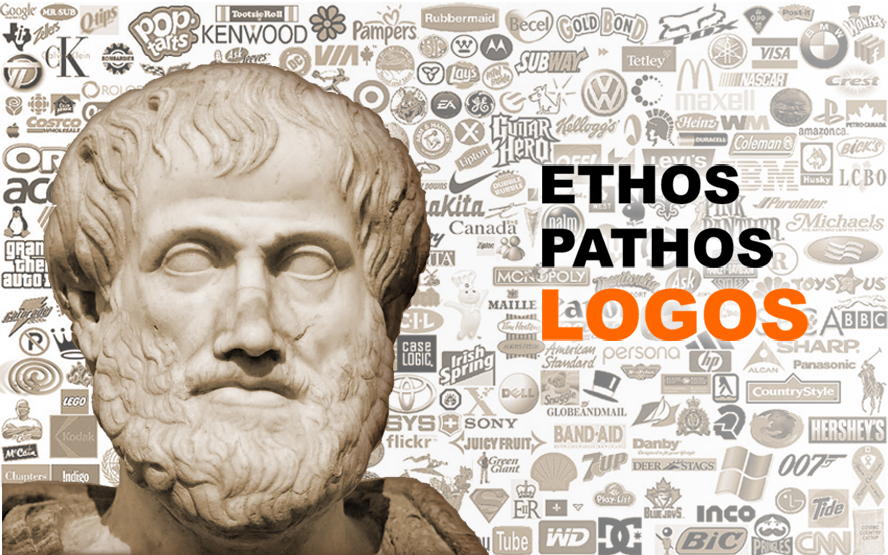
Journal #12: Achebe
uses the first chapters to contradict the stereotypical European
representations of African society. How
does Achebe emphasize the harmony, communication norms, and overall complexity
of Igbo society?
Thursday, December 12, 2013

Thursday, November 21, 2013

Monday, November 18, 2013
Gulen Institute Essay Resource Link List (Updated Regularly)
Link to Gulen Institute Essay Prompt
Education Week magazine has a fantastic index of topics that will help you. Click here for the link. Topics you can browse include:
Achievement Gap
Charter Schools
Class Size
Dropouts
English-Language Learners
No Child Left Behind
Parent Involvement
Safety and Violence
Teacher Quality
Technology
Urban Education
etc., etc., etc.
1. "How a Radical New Teaching Method Could Unleash a Generation of Geniuses" (Wired Magazine, by Joshua Davis)
2. "Houston Program Connects Low-Income Students With Top Colleges" (NPR's Here and Now Podcast) (Also see, the podcast segment immediately after that one, "Harvard Program Connects Low-Income Students With Top Colleges.")
3. "How Poverty Affects Classroom Engagement" (Educational Leadership, by Eric Jensen)
4. NYTimes: Education Gap Grows Between Rich and Poor, Studies Say
http://nyti.ms/xrgpw9
5. NYTimes: For Poor, Leap to College Often Ends in a Hard Fall
http://nyti.ms/UYmYn6
6. NYTimes: Reflections on the Road to Yale
http://nyti.ms/163h35P
7. NYTimes: To Fix Failing Schools, Target Troubled Students?
http://nyti.ms/vsVaJ3
8. "Research Links Poor Kids' Stress, Brain Impairment" (Washington Post, Rob Stein)
9. "The Myth of the 'Culture of Poverty'" (Education Leadership by Paul Gorski)
10. "Public Schools and the Excuse Culture" (US News and World Report, by Joel Klein): no link, search for this title on EBSCO ("Good teachers, effective principals, and great schools have a far greater impact on the achievement gap than any out-of-school antipoverty initiative.")
11. "In California, Parents Trigger Change At Failing School" (NPR)
12. Video: "What matters for a child's future isn't IQ. It's 'grit' (passion and perseverance)"
13. Student Voices in School Reform: "Growing Our Own Teachers in Oakland" (Center for Teaching Quality)
14. Colorado District Launches Non-profit to Fund Technology (The Coloradoan)
15. Article on "Flipped Classrooms": "Turning Education Upside Down" (NYTimes)
16. Educating the Whole Child: "Schools That Separate the Child From the Trauma" (NYTimes)
17. Early Education For All: Strong Start for America's Children Act (US Senate Website)
18. "Unrelenting Poverty Leads to 'Desperation' in Philly Schools" (NPR)
19. School for Creative Studies breaks the box (Durham News)
Education Week magazine has a fantastic index of topics that will help you. Click here for the link. Topics you can browse include:
Achievement Gap
Charter Schools
Class Size
Dropouts
English-Language Learners
No Child Left Behind
Parent Involvement
Safety and Violence
Teacher Quality
Technology
Urban Education
etc., etc., etc.
1. "How a Radical New Teaching Method Could Unleash a Generation of Geniuses" (Wired Magazine, by Joshua Davis)
2. "Houston Program Connects Low-Income Students With Top Colleges" (NPR's Here and Now Podcast) (Also see, the podcast segment immediately after that one, "Harvard Program Connects Low-Income Students With Top Colleges.")
3. "How Poverty Affects Classroom Engagement" (Educational Leadership, by Eric Jensen)
4. NYTimes: Education Gap Grows Between Rich and Poor, Studies Say
http://nyti.ms/xrgpw9
5. NYTimes: For Poor, Leap to College Often Ends in a Hard Fall
http://nyti.ms/UYmYn6
6. NYTimes: Reflections on the Road to Yale
http://nyti.ms/163h35P
7. NYTimes: To Fix Failing Schools, Target Troubled Students?
http://nyti.ms/vsVaJ3
8. "Research Links Poor Kids' Stress, Brain Impairment" (Washington Post, Rob Stein)
9. "The Myth of the 'Culture of Poverty'" (Education Leadership by Paul Gorski)
10. "Public Schools and the Excuse Culture" (US News and World Report, by Joel Klein): no link, search for this title on EBSCO ("Good teachers, effective principals, and great schools have a far greater impact on the achievement gap than any out-of-school antipoverty initiative.")
11. "In California, Parents Trigger Change At Failing School" (NPR)
12. Video: "What matters for a child's future isn't IQ. It's 'grit' (passion and perseverance)"
13. Student Voices in School Reform: "Growing Our Own Teachers in Oakland" (Center for Teaching Quality)
14. Colorado District Launches Non-profit to Fund Technology (The Coloradoan)
15. Article on "Flipped Classrooms": "Turning Education Upside Down" (NYTimes)
16. Educating the Whole Child: "Schools That Separate the Child From the Trauma" (NYTimes)
17. Early Education For All: Strong Start for America's Children Act (US Senate Website)
18. "Unrelenting Poverty Leads to 'Desperation' in Philly Schools" (NPR)
19. School for Creative Studies breaks the box (Durham News)
Tuesday, November 12, 2013
Journal #11: One World Democracy
What would happen if global governance became a reality in
the form of one big global democracy?
What are the possible effects (both positive and negative) of a one
world democracy in which each person in the world gets one vote on issues of
global significance?
What would be the challenges?
How would a utopian vision of world democracy differ from a
dystopian vision of world democracy?
(2 paragraphs)
Journal #10: Define Your Utopia
What would your utopia look like? Describe in detail what your utopian society would be like? After you’ve created your utopia, transform it into a dystopia.

Tuesday, November 5, 2013
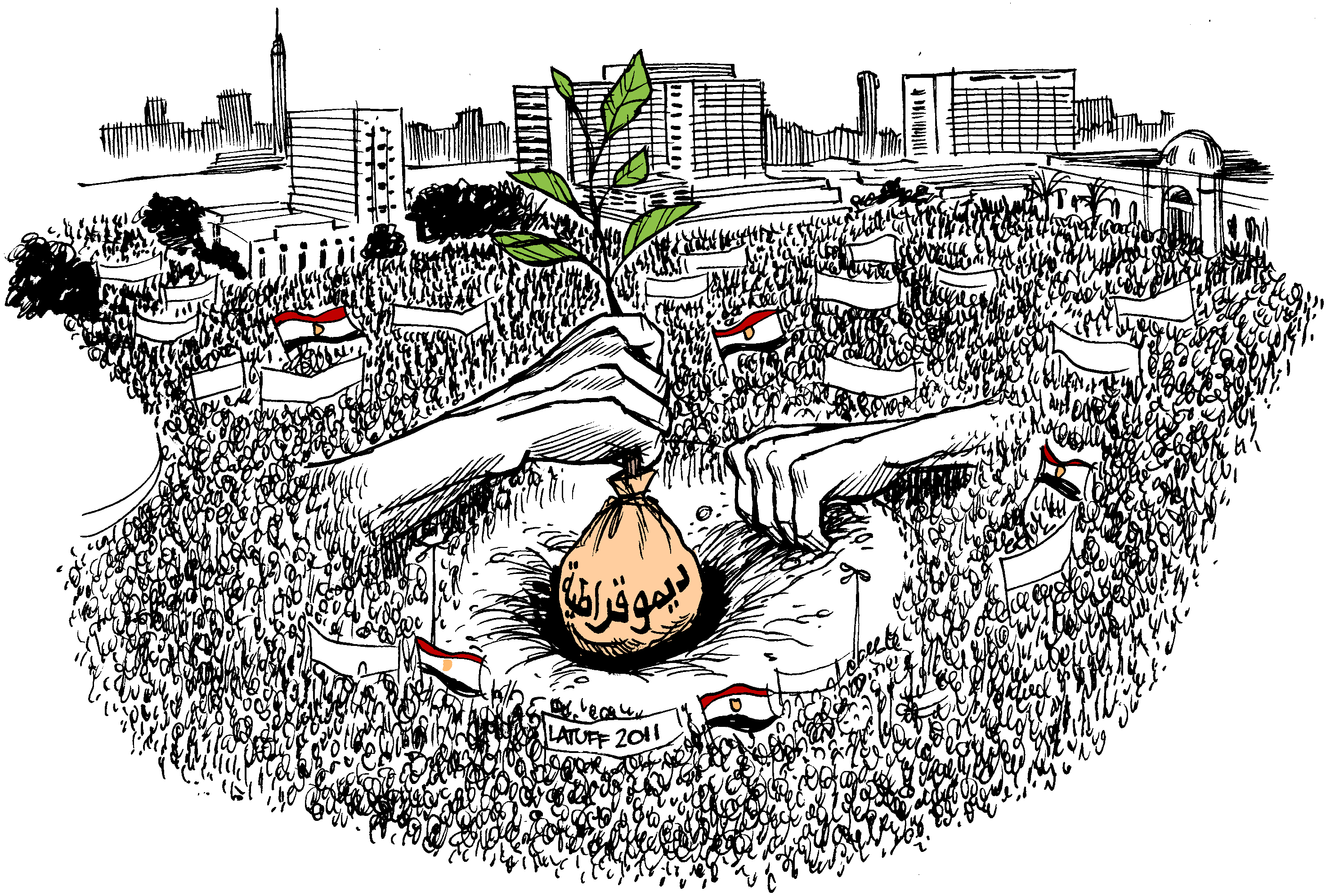
Journal #9: American Exceptionalism Cartoon
Discuss the cartoon below. What does this say about U.S. policy in the Middle East? Does it match our discussion on U.S. ideology, values, and foreign policy?
1 paragraph

1 paragraph

Wednesday, October 30, 2013
Freedom of the Press, Privacy, Transparency, and Accountability Assignment
Choose one article/website listed below to read and/or investigate. On binder paper, please complete the following questions in paragraph form. (3 paragraphs)
1. Summarize what the article/website is about as well as its main points.
2. Read the article or website carefully and discuss (in detail) what you learned.
3. What are some things that surprised you or interest you in particular?
4. In what ways does the content of your website connect to the democratic ideas of the freedom of the press, right to privacy, government transparency, and/or government accountable to the people.
Website/Article Links:
Wikileaks.org
"The War Logs" (New York Times collection of WikiLeaks releases)
ProPublica site on government surveillance
The Guardian's Series on the NSA (National Security Administration) Files
"How Laura Poitras Helped Snowden Spill His Secrets" Article (New York Times Magazine)
"WikiLeaks' War on Secrecy: Truth's Consequences" (Time Magazine)


1. Summarize what the article/website is about as well as its main points.
2. Read the article or website carefully and discuss (in detail) what you learned.
3. What are some things that surprised you or interest you in particular?
4. In what ways does the content of your website connect to the democratic ideas of the freedom of the press, right to privacy, government transparency, and/or government accountable to the people.
Website/Article Links:
Wikileaks.org
"The War Logs" (New York Times collection of WikiLeaks releases)
ProPublica site on government surveillance
The Guardian's Series on the NSA (National Security Administration) Files
"How Laura Poitras Helped Snowden Spill His Secrets" Article (New York Times Magazine)
"WikiLeaks' War on Secrecy: Truth's Consequences" (Time Magazine)



Thursday, October 24, 2013
Journal #8: Pillars of Democracy
Link to Foreign Policy/Democracy PowerPoint
Out of the list of "pillars of democracy" in the above PowerPoint, which two do you think are the most important or do you feel most strongly about. Please explain. Write at least one well-structured paragraph.

Out of the list of "pillars of democracy" in the above PowerPoint, which two do you think are the most important or do you feel most strongly about. Please explain. Write at least one well-structured paragraph.
Monday, October 21, 2013
Amartya Sen's "Identity and Violence" Reading and Context Clues Handout
If you were absent today, please view the PowerPoint on "Close Reading Strategies," and then read the first 5 paragraphs while doing the following: number each paragraph, underline/highlight important points (one per paragraph), left column annotation, right column annotation (one of each per paragraph). DO NOT do this without first viewing the PowerPoint.
Close Reading Strategies PowerPoint Link
Example of Annotation Strategy Link
Link to the reading
Link to the handout

Close Reading Strategies PowerPoint Link
Example of Annotation Strategy Link

Link to the reading
Link to the handout

Monday, October 14, 2013
Journal #7: "The Underground War in Gaza"
1. In what ways does Joe
Sacco, author of “The Underground War in Gaza,” attempt to remain neutral and
show both sides of the conflict? Explain
(in detail) what parts of the piece seem to present the Israeli military’s
position and what parts of the piece show the Palestinian perspective.
2.
Do you think Sacco
manages to remain unbiased, or does his own perspective seem to permeate his
neutral journalistic stance?
Wednesday, October 9, 2013
Tuesday, October 8, 2013
Short Essay: Israeli and Palestinian Literary Analysis
In what ways does the literature of Etgar Keret
(Israel) differ from the literature of Darwish and Kanafani (Palestine)? In what ways do you think these authors
reflect the political situation of their particular region?
Use your chart to contrast the subjects/themes, tone,
characterization, and setting. Discuss at least two literary elements.
Requirements:
•May
be hand-written or typed
•Short
Introduction (4 sentences) that contains a THESIS statement.
•Two
body paragraphs (8-sentences)
•Conclusion
paragraph (4 sentences)
Wednesday, October 2, 2013
Journal #6: Before we read literature from Israel and Palestine...
In one paragraph, describe what you think Israeli and Palestinian literature will be like? For example, what are their stories going to be about? How might the subjects, characters, setting, and tone of Palestinian literature differ from that of Israeli literature? Think about the realities of living in a conflict zone while responding, as well at the role of the arts in a conflict zone.

Subscribe to:
Posts (Atom)